

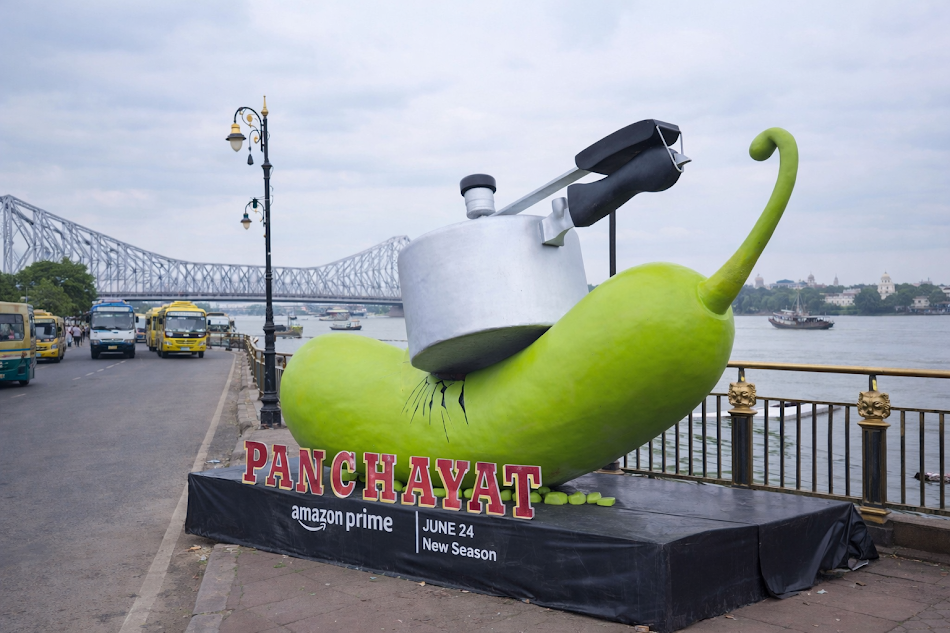
In today’s highly competitive market, brands are looking beyond traditional advertising methods to capture audience attention. Consumers increasingly prefer interactive and meaningful brand experiences rather than simply viewing advertisements. This shift has led to the growing popularity of experiential marketing and outdoor advertising across India.
Experiential marketing focuses on creating real-world interactions between brands and consumers. Instead of only promoting products through traditional media, companies are designing campaigns that allow people to engage directly with a brand, making the experience more memorable.
According to industry experts, experiential marketing campaigns often generate stronger brand recall because customers actively participate in the experience rather than passively watching an advertisement. These campaigns may include brand activations, pop-up installations, mall promotions, product demonstrations, and interactive events.
Outdoor advertising also continues to play an important role in increasing brand visibility. Large-format billboards, digital LED displays, transit advertising, and public engagement campaigns help brands reach a wide audience in high-footfall locations such as shopping districts, metro stations, and commercial areas.
Marketing agencies like Experiential TRZY are contributing to this evolving landscape by developing campaigns that combine outdoor advertising with experiential strategies. These campaigns aim to attract attention while also creating meaningful engagement between brands and consumers.
Growing Importance of Brand Activation
Brand activation has become one of the most effective marketing tools for companies that want to build stronger relationships with their audiences. Through activation campaigns, brands can interact directly with consumers in public spaces such as malls, retail locations, corporate offices, and community events.
These initiatives may include product demonstrations, roadshows, interactive installations, and promotional activities designed to encourage participation. When consumers engage with a brand in a physical environment, it often leads to improved brand awareness and stronger emotional connections.
Product Launches and Pop-Up Experiences
Many companies are also adopting experiential strategies for product launches. Instead of relying only on press announcements or digital promotions, brands are organizing launch events that combine entertainment, technology, and customer engagement.
Pop-up experiences are another growing trend in marketing. Temporary brand installations in high-traffic locations allow companies to create unique interactions with consumers. These experiences often encourage social sharing, helping brands extend their reach beyond the physical event.
Technology in Modern Marketing Campaigns
Technology is playing an increasingly important role in experiential marketing campaigns. Interactive LED screens, augmented reality (AR), virtual reality (VR), holographic displays, and AI-powered engagement tools are being integrated into brand experiences.
These technologies help create immersive environments where consumers can interact with products and brand stories in new ways. As a result, campaigns become more engaging and memorable for audiences.
The Future of Experiential and Outdoor Advertising
Industry analysts believe experiential marketing will continue to grow as brands seek deeper engagement with consumers. By combining real-world experiences with outdoor media and digital technology, companies can create campaigns that stand out in crowded markets.
As consumer expectations evolve, marketing strategies that prioritize interaction, creativity, and experience are likely to become an essential part of brand communication.
By:- Watchnewz